


posted 7th July 2026
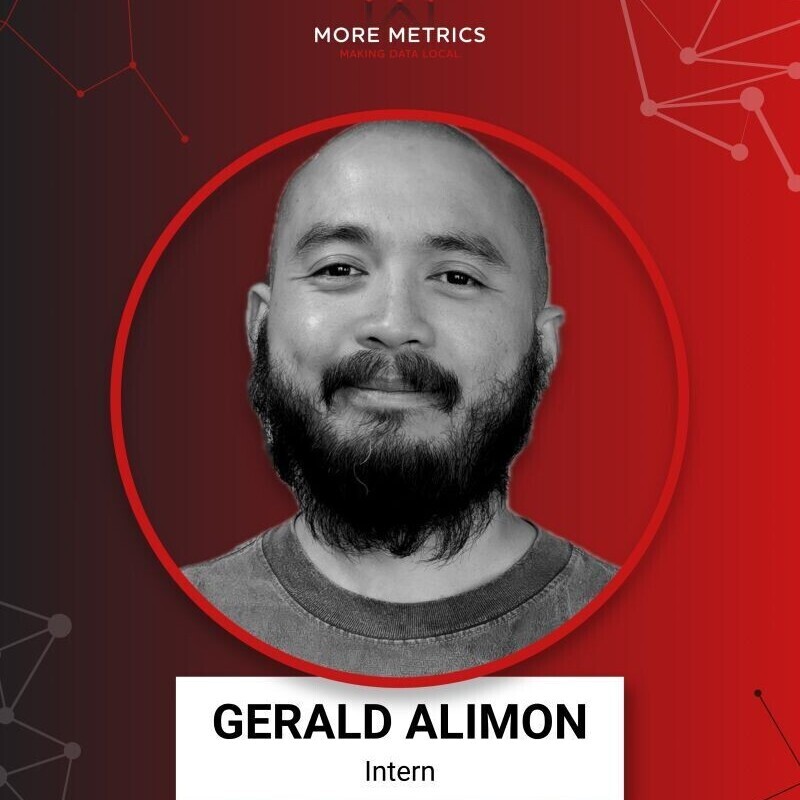
Meet our Summer Intern, Gerald
In June, we welcomed Gerald Alimon to More Metrics for an eight-week summer internship.
Currently studying for an MSc in Data Science and Analytics at Cardiff University / Prifysgol Caerdydd, Gerald joins us with a fascinating background in healthcare, having spent six years working within the NHS in Nuclear Medicine and CT imaging.
Over the summer, Gerald will be helping us enhance and automate the processes behind the open-source data that powers our products and insights.
We caught up to find out more about him and how his internship is going so far.
What Drew You to More Metrics?
I worked in the NHS for six years. Every single department produces an incredible amount of data, both incredibly rich and finely detailed, but in time, I found that they didn’t have the ability to really look at the patterns or insights their data had on patients and the community. The main focus was placed on how good or bad the department was performing, and its waiting times.
This was one of the reasons I decided to pivot my career into data science.
More Metrics exclusively use open sourced data, provided by the government and other public bodies. It doesn’t have access to highly detailed NHS data or rely on commercially mined personal information. And from my experience, I knew that the level of quality and granularity of open sourced data can sometimes be reduced due to varying restrictions. So naturally, finding a company that can create such unique, interesting and finally targeted products by exclusively using open sourced data caught my attention.
The products that More Metrics create, and the type of work that goes into it, is what attracted me into a career in data science in the first place.
The way More Metrics select, process, relate and model these datasets is exactly the kind of work that inspired me to pursue data science in the first place. Their products aren’t just technically impressive, they’re creative. And creativity in data is something that can only come from skilled, curious people.
That’s who I wanted to learn from and work with.
How's your internship going so far?
I’m now in my third week, and it has been an incredible experience.
I’ve already learned so much about how More Metrics’ products can paint a detailed picture of local communities - including the places I’ve lived. My current work in indicator research and automating dataset retrieval has taught me such an extensive coding skillset.
The stories that the data revealed have sometimes confirmed what my intuition suggested, but others gave surprising insights on specific areas, demographics and communities
What do you enjoy doing outside of work?
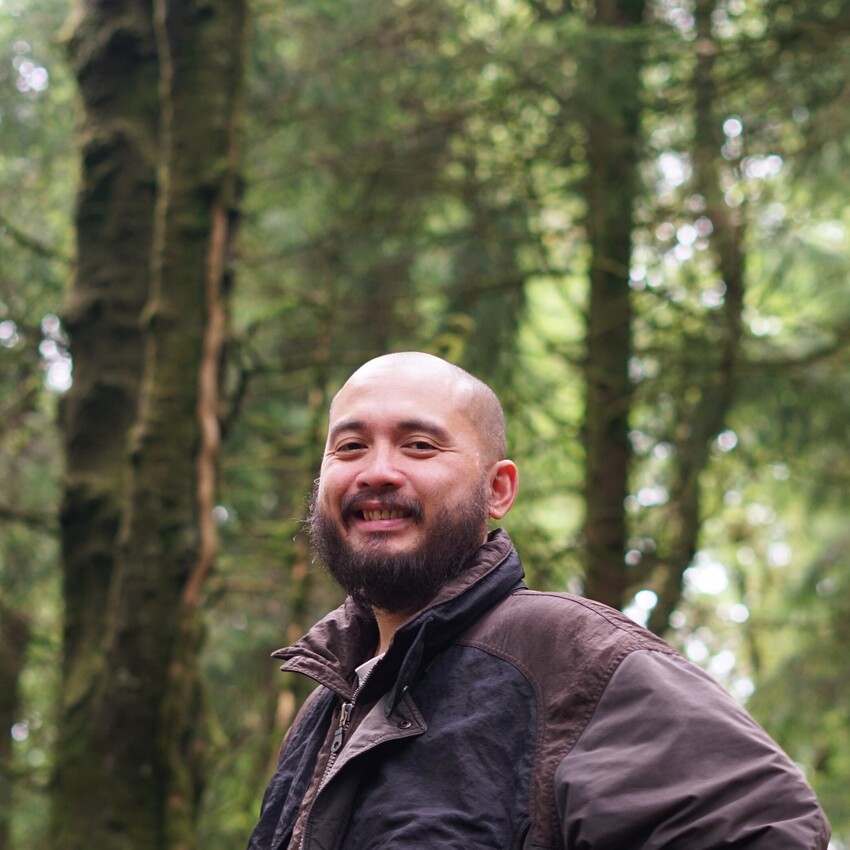
I’m happiest outdoors - taking my family to the beach or wandering the woodlands around South Wales. I do love a good coffee and enjoy a Monday morning filter coffee and pastry in Porthcawl. When I get time to myself, you’ll usually find me in the garden pottering or wandering aimlessly in garden centres.
I love building things, especially when they actually work. I’ve built a home server from old parts to store family photos, and I’m currently running a year‑long garden timelapse using an old phone. I also enjoy photography and filmmaking - a hobby that started with an apprenticeship on a TV show in the Philippines and now mostly involves little films with the kids and the occasional freelance shoot for friends.
If you could give another intern one piece of advice, what would it be?
When I applied for my internship at More Metrics, the role description was incredibly detailed and well-structured. Instead of just reading it, I used it as a challenge. I built a small piece of software to demonstrate how I might approach the role in practice. That taught me a huge amount about the challenges and nature of the work — and that understanding became invaluable during the interview.
The second piece of advice is to nurture your curiosity. I’ve always learned to code best when I’m trying to answer a real question or solve a problem. It could be analysing statistics from your favourite sport, visualising trends in films, or even predicting house prices in your area. With so many open datasets out there, and platforms that allow you to experiment with it, you can easily show other people your work.